At sea with the world’s first ethical cargo ships
- Text by Barry Macdonald
- Photography by Barry Macdonald

When I first heard about the concept of transporting cargo by sail power, I couldn’t imagine how it could ever compete with the modern shipping system. However, the more I listened, the more I learned: these old-fashioned, engineless methods could well be the only ethical option for our future.
The big difference between these vessels lies in the pollution they emit. The 15 largest ships in the world pollute as much as all the cars in the world, with many cargo and cruise ships burning cheap heavy fuel oil.
Unfortunately, this shipping system is also responsible for around 90 per cent of the world’s cargo trade. Most conversations about pollution normally revolve around driving or flying, but these vessels that carry our consumer goods – like the food, clothes and electronics we buy every week – are rarely considered.
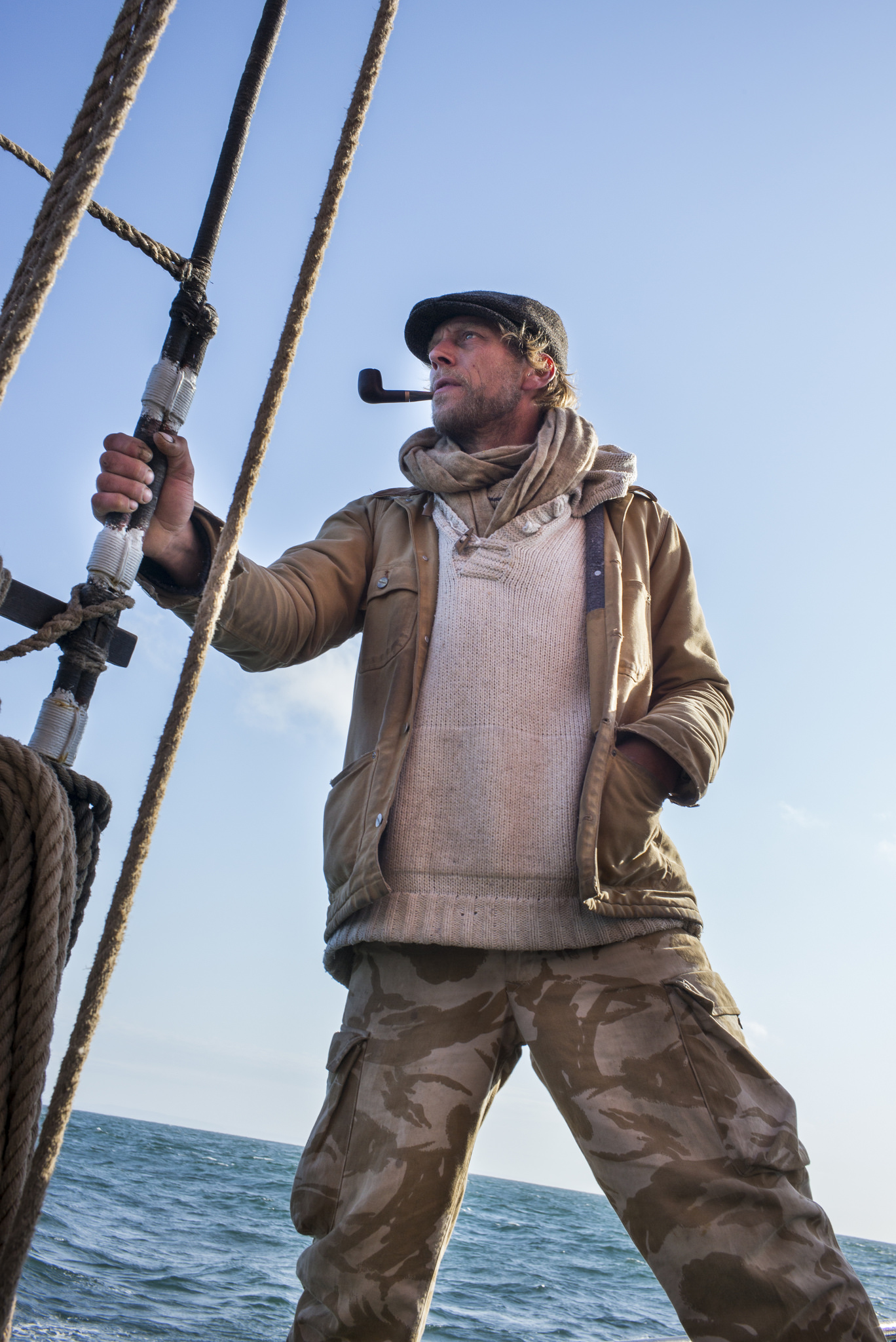
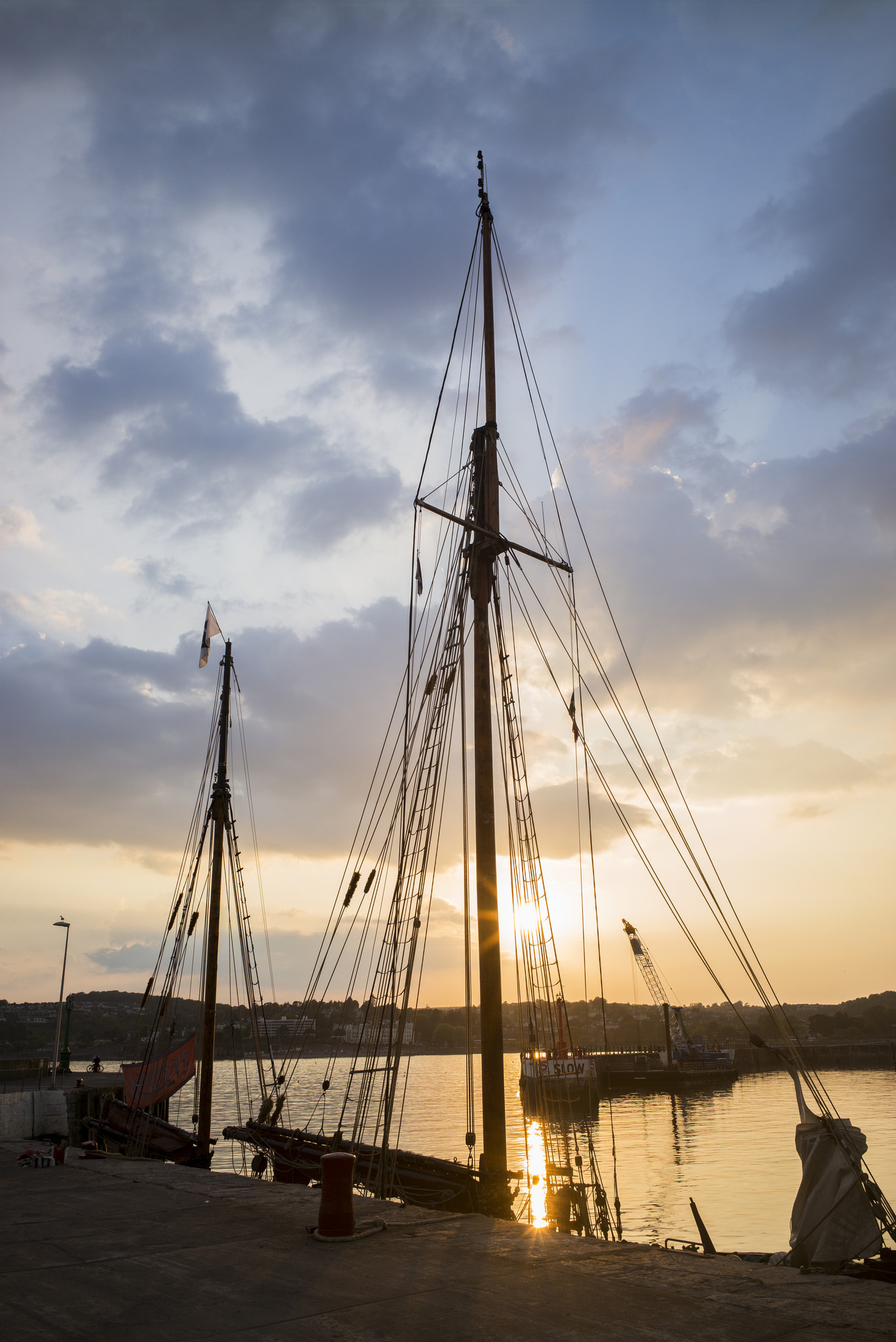
This situation is what prompted three friends in 2007 to create Fairtransport: a zero-emissions cargo company powered by sail only.
The Netherlands-based trio – otherwise known as Arjen Van Der Veen, Andreas Lackner and Jorne Langelaan – purchased the Tres Hombres, a 1943 Brigantine minesweeper, and refitted her to carry 35 tons of cargo. Within two years, they were sailing across the Atlantic Ocean, bringing back rum, coffee and chocolate from Northern Brazil, Grenada, the Dominican Republic and Barbados.
Fairtransport is committed to sailing cargo emission-free, carrying products that are organic, fairly traded or crafted traditionally. They personally meet all of the growers, suppliers and buyers at every step to ensure they can guarantee the products they are delivering.


For my latest photography project, I joined the company on their latest ship, an 1873 fishing boat called Nordlys, in Belgium where she was unloading wine and olive oil from Portugal. There were seven other people on board – including the captain, first mate, cook, three deckhands and one passenger – who were all splitting shifts throughout the day and the night.
The conditions are difficult – but the longer we sailed together, the more I understood why these sailors endure them for pay that is below what they could earn on engine-powered cargo ships. The power of the ship when all five of her sails are raised is a phenomenal experience. All of the people on board come from different backgrounds and there’s a wide variety of personalities, but they are all linked by a love of “real” sailing, and a concern for the environment. It takes a flexible, unselfish and pleasant person to be a successful crew member.
Although I initially struggled to understand what a sail-powered cargo company could achieve, I now see that they are part of a growing movement to bring a consciousness about our environmental situation. They are sacrificing a lot to be part of something special, and living their lives in a way to try and reduce their impact on the planet.


See more of Barry MacDonald’s work on his official website.
Enjoyed this article? Like Huck on Facebook or follow us on Twitter.
You might like

Cold camping in Svalbard, at the edge of the world
Longyearbyen — The Norwegian archipelago is just 800 miles from the North Pole, where temperatures languish far below freezing, but it’s also one of the world’s fastest warming areas. Steph Pomphrey sleeps on the ice with Db to find out more.
Written by: Steph Pomphrey

Inside Bombay Beach, California’s ‘Rotting Riviera’
Man-made decay — The Salton Sea was created by accident after a failed attempt to divert the Colorado River in the early 20th century. Jack Burke reports from its post-apocalyptic shores, where DIY art and ecological collapse meet.
Written by: Jack Burke

As salmon farming booms, Icelanders size up an existential threat
Seyðisfjörður — The industry has seen huge growth in recent years, with millions of fish being farmed in the Atlantic Ocean. But who benefits from its commercial success, and what does it mean for the ocean? Phil Young ventures to the remote country to find out.
Written by: Phil Young

Why is the Amazon’s ‘great roar’ river wave shrinking?
Pororoca — Set in northern Brazil’s edge, a miles long tidal bore has become a destination for waveriders attempting its endless surf. But its future is uncertain, as landscape and weather changes have seen its power mellow in recent years.
Written by: Gaia Neiman

Inside Louisiana’s ‘Cancer Alley’
Flare pollution — Wayan Barre began photographing life in the 85-mile petrochemical industry corridor after moving to New Orleans. He found defiant activists, health problems and impoverishment.
Written by: Isaac Muk

MØ: “I don’t think it’s good if only people with money succeed”
Plæygirl — From her roots in activist squats to singing on the most streamed track ever, the Danish singer has led a life. We catch some wisdom from her in our monthly interview newsletter ahead of her USA tour.
Written by: Isaac Muk


