Take a ride on the rodeo in Havana, Cuba
- Text by Liam Aylott
- Photography by Liam Aylott

Photographing anything in Cuba these days is difficult. Don’t get me wrong, it is in theory one of the easiest places in the world to photograph; walking through Havana is like walking through a movie set, aesthetically it’s incredible and the Cuban people are only too happy to chat while having their image taken. It’s difficult though because it’s so over photographed these days, especially in the last year or so since the US has relaxed its sanctions.


The thing is, I had £700 credit on American Airlines, and I was not allowed to board a plane to Miami in December because I had previously been to Yemen and Libya on photographic jobs and now needed a Visa for the US.
With my Visa sorted and £700 (that I had to use before April) in credit on AA I began researching what to photograph, and decided that a rodeo would be fun, so I looked at the obvious places: Texas and other Southern States, but then I then stumbled across a rodeo on the outskirts of Havana, Cuba.


I arrived in Havana a day or so before the agricultural fair and rodeo was due to begin. I actually had very little information about it – the internet in Cuba still being very limited – so all I had was a date and a location from a single website. My fingers crossed it was correct otherwise it was a long way to come for a walk around Havana and a few mojitos.
On the day of the rodeo my Cuban host had kindly organised a classic American taxi to take me to to the Rancho Boyeros, around a 30 minute drive back towards the airport from Havana. We pulled up to see a huge queue down the street, I was ecstatic to see people, I hadn’t travelled over 4000 miles in vain!


We joined the queue knowing it would take a while, there was only one guy manning the small ticket box, some 45 minutes later we got to the front only to be told they couldn’t accept our cash, you see we had tourist pesos and needed local currency of which we had none.
This was also a good thing, it meant that not many tourists come here. With nowhere to change our money I was in a little bit of disarray until the people behind us in the queue kindly paid for our tickets, I must have had some good karma coming my way, either that or it’s the fact that Cuban people are unbelievably kind and will always help a person out when in need.


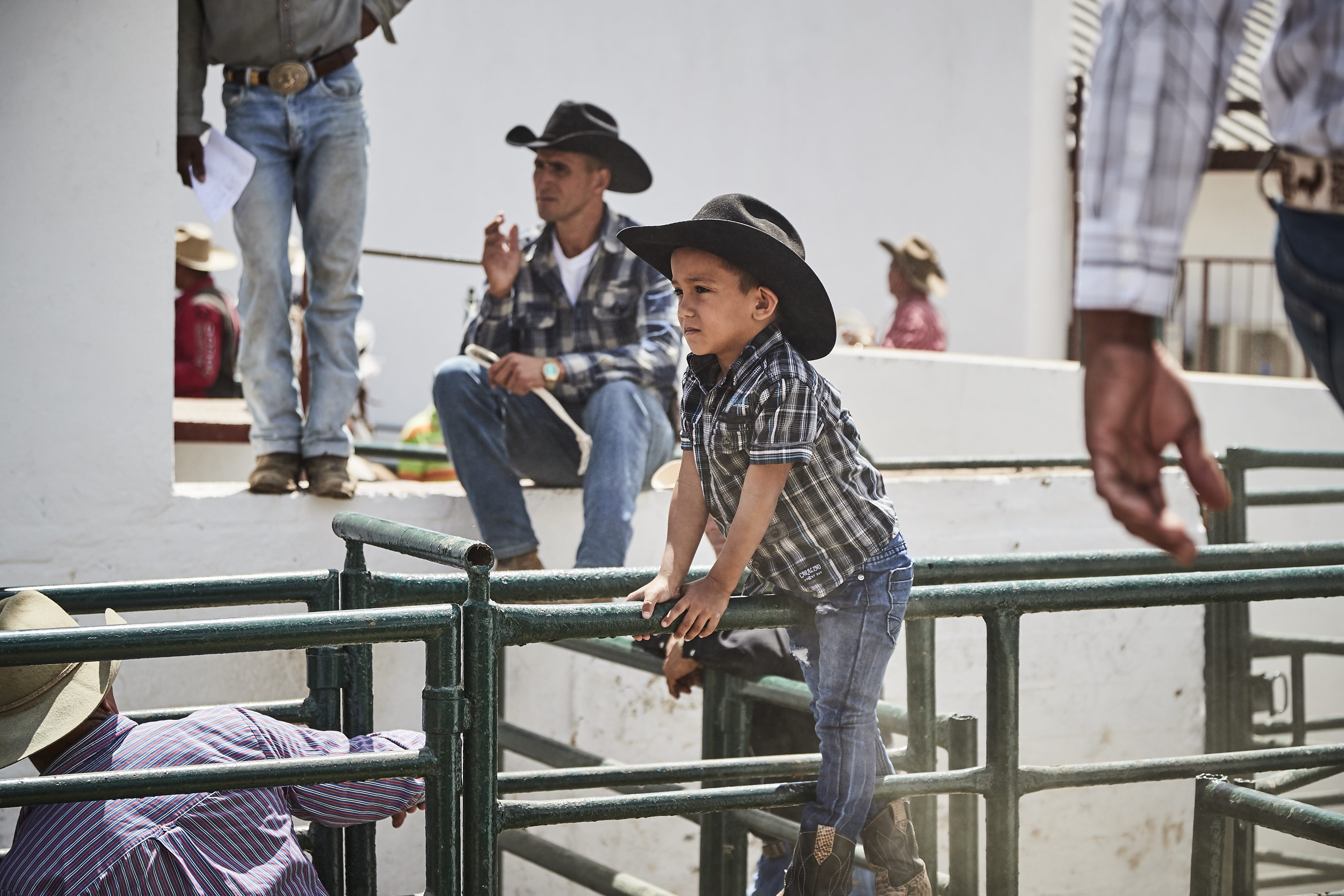
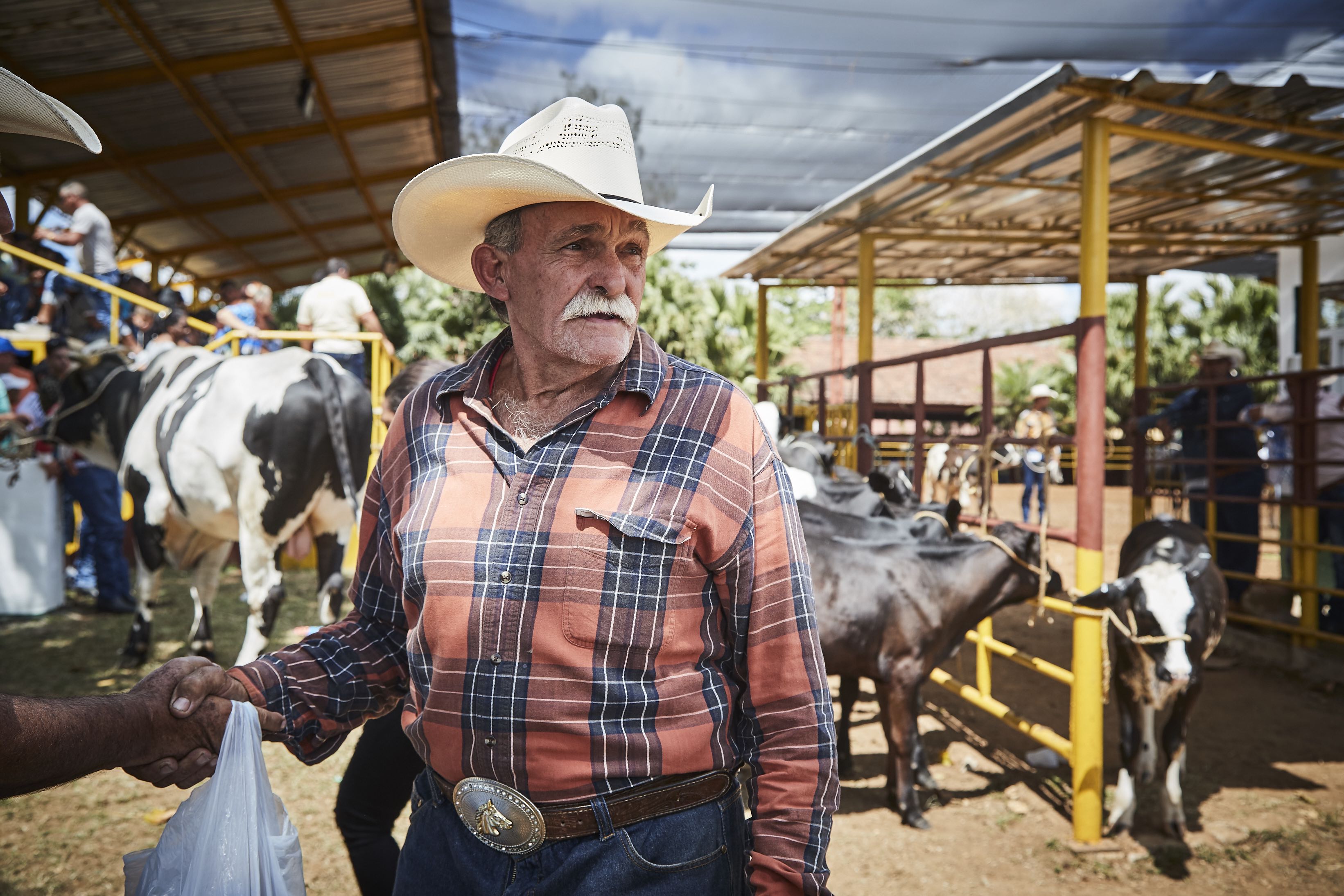
The rodeo began at 3pm, giving me a couple of hours to explore the various livestock shows and chat to a few cowboys; they were really great, happy to have their photograph taken and put on their meanest cowboy stare. Walking around the grounds of the ranch was great, smoke filled the air from the many barbecue chicken stands, plenty of coolers full of cold beer sat stocked up, well needed in the baking sun.
The rodeo was a serious spectacle, full of skilled horse riders, men and women, young and old; even small children rode on horses that must have been 15 hand plus with the highest level of skill.


I managed to escape the crowd and get down towards bull pit where all of the riders gathered before entering the arena before making my way back up to the stands for the finale, the bull riding.
Why anyone would want to do such a thing is beyond me, I can only imagine adrenaline and the buzz of the excited crowd takes away from any fears the riders may have, I guess fear is not really an emotion one feels when mounting these colossal animals.
Cuba these days is very much on the change, they say 3G mobile internet will be there on mass within the year and every week more and more US cruise ships enter the port at Old Havana, and rightly so, it really is a place that should be seen and experienced. But I personally find it comforting to know that you can still find an experience that feels truly local and unaffected by the tourism boom.





Check out more of photographer Liam Aylott’s work.
Enjoyed this article? Like Huck on Facebook or follow us on Twitter.
You might like

On the set of ‘La Bamba’, lost Latino legend Ritchie Valens’s biopic
The overnight rockstar — The Chicano rock & roll star exploded overnight in the late ’50s, but just as quickly he was gone, killed in a plane crash along with Buddy Holly. An ’80s biopic saw him immortalised on the big screen, which photographer Merrick Morton captured behind the scenes.
Written by: Miss Rosen

Louis Theroux’s ‘Manosphere’ shows men aren’t the problem, platforms are
No Ws for Good Men — The journalist’s new documentary sees him dive headfirst into the toxicities and machinations of the male influencer economy. But when young creators are monetarily incentivised to make more and more outrageous content, who really is to blame?
Written by: Emma Garland

In the 1960s, African photographers recaptured their own image
Ideas of Africa — An exhibition at the Museum of Modern Art explores the 20th century’s most important lensers, including Seydou Keïta, Malick Sidibé and Kwame Brathwaite, and their impact on challenging dominant European narratives.
Written by: Miss Rosen

Reynaldo Rivera’s intimate portrait of queer Latino love
Propiedad Privada — Growing up during the AIDS pandemic, the photographer entered a world where his love was not only taboo, but dangerous. His new monograph presents inward-looking shots made over four decades, which reclaim the power of desire.
Written by: Miss Rosen

In photos: The newsagents keeping print alive
Save the stands — With Huck 83 hitting shelves around the world, we met a few people who continue to stock print magazines, defying an enduringly tough climate for physical media and the high street.
Written by: Ella Glossop

Inside Bombay Beach, California’s ‘Rotting Riviera’
Man-made decay — The Salton Sea was created by accident after a failed attempt to divert the Colorado River in the early 20th century. Jack Burke reports from its post-apocalyptic shores, where DIY art and ecological collapse meet.
Written by: Jack Burke


